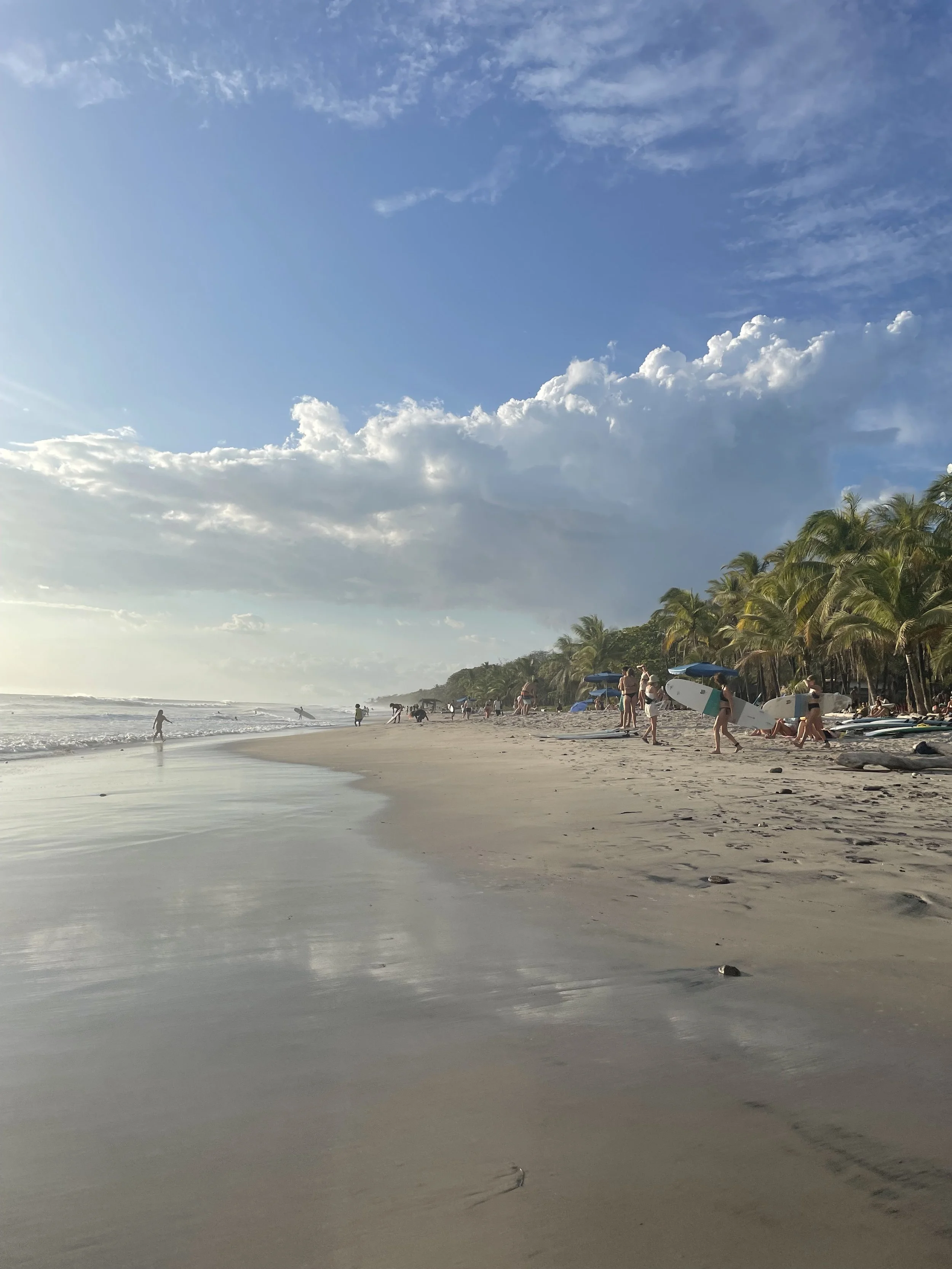
How paradise eats itself
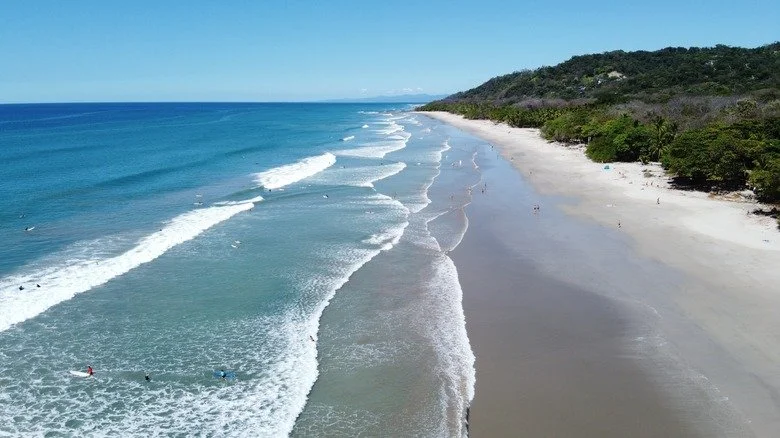
Most who have visited Santa Teresa have a story about the road in, a single stretch of dust and potholes, testing patience as much as suspension. And yet, at the time of writing, after six years of legal wrangling, that road is now close to being fully paved. By most measures, it’s progress. For Diego, a local entrepreneur and property developer, however, it feels more like opening the floodgates.
Santa Teresa sits on Costa Rica’s Nicoya Peninsula, long framed as a place that has not quite yet tipped into overdevelopment. But that framing itself has become part of its draw, as an invitation to arrive before it changes. In the attention economy that now shapes travel as much as geography, visibility comes first, infrastructure follows.
Ease, Diego notes, changes everything. Luxury boutiques and restaurants have already begun to cluster along the still-unfinished road. It’s a familiar rhythm: privately funded foreign villas and resorts arrive before public infrastructure funded by local taxes can catch up. See Bali, Tulum, now in Puerto Escondido, the familiar fate of the beach town too good to be true.
The result is a notable pressure on identity, nature, and local communities.
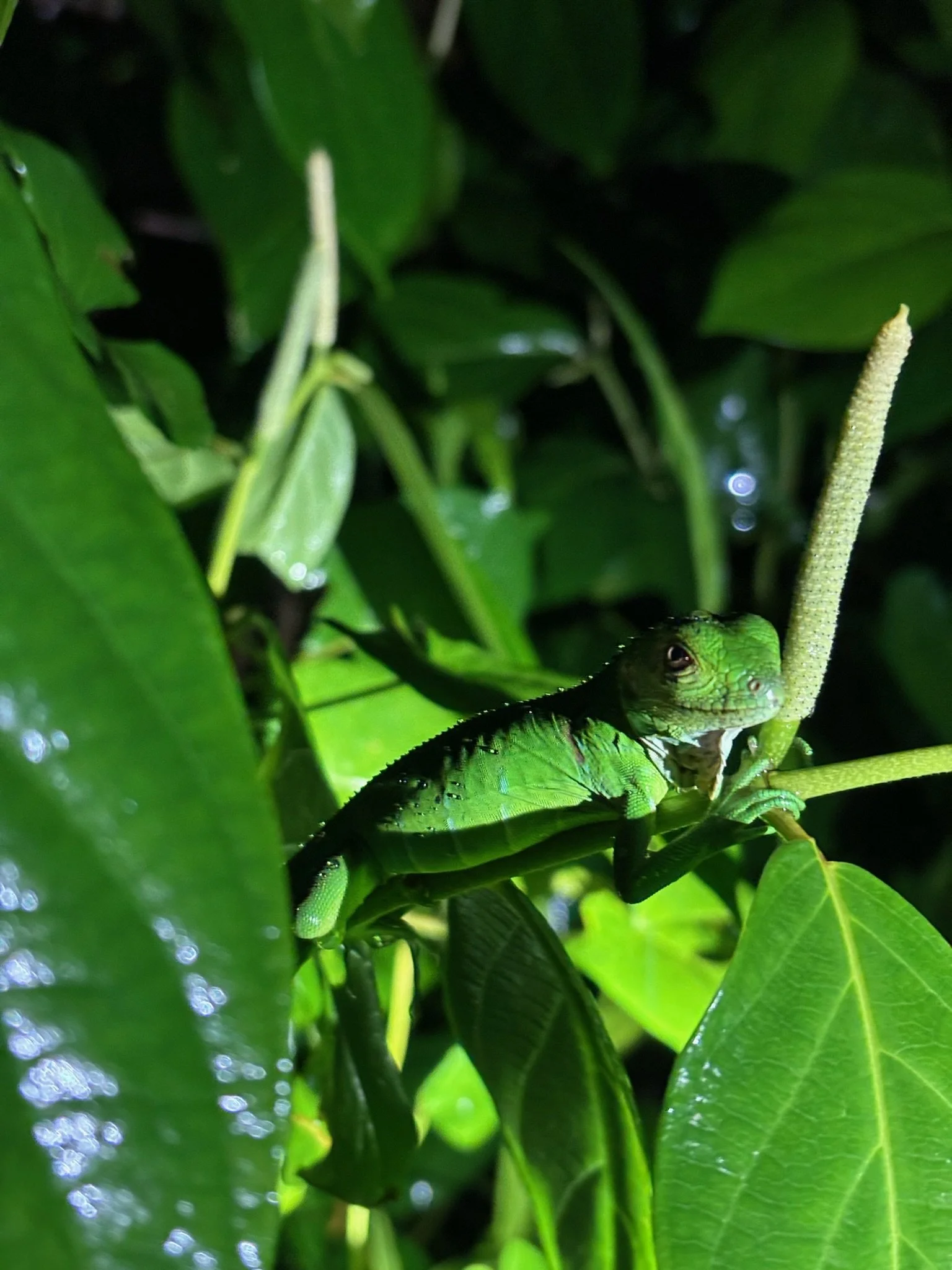
“The nature is struggling. There are fewer monkeys, fewer turtles. ST still has a good vibe, but it’s not the same.”
Diego has watched the town change via a slow accumulation of decisions, plots of land sold, buildings approved, new arrivals who never move on. As demand rises, prices follow, while local wages do not, pushing many families to nearby towns. “The national press call it ‘Little Argentina’. Locals move to Cóbano, to Manzanillo. Here, there’s no space to live.”
Tourism is often framed as an exchange; visitors arrive, money flows in, and opportunity follows. But in practice, the balance depends on the speed at which growth is absorbed. In Santa Teresa, infrastructure lags behind capital, while capital moves faster than regulation, and what looks like development on paper translates into strain on the ground. New businesses open, though increasingly for visitors rather than residents, and while investment brings visible development, it also redraws the boundaries of who is able to participate in the local economy.
A clear illustration sits in the hills above the town.
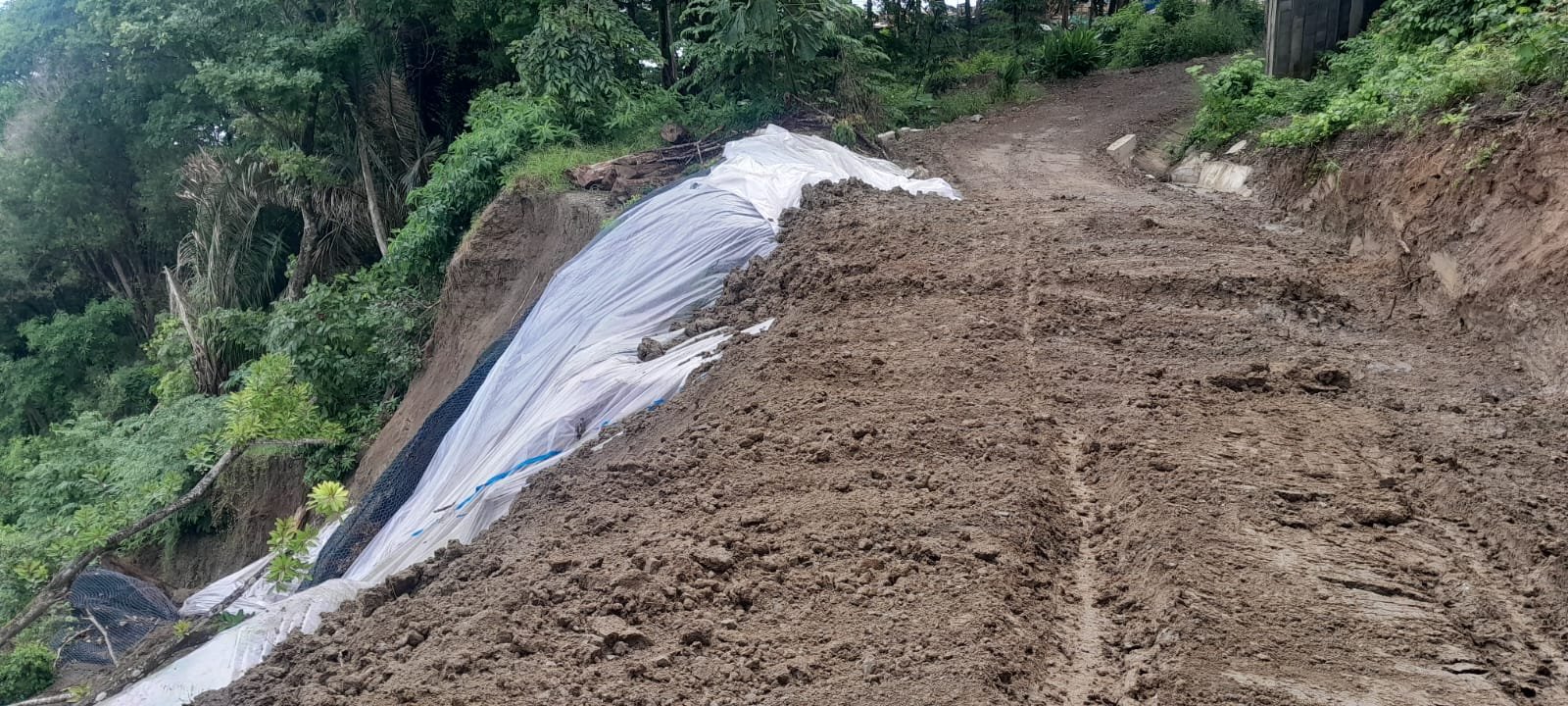
“There’s a guy building luxury houses in the mountain. He cut a lot of trees. At first, it barely registered, it was just another development, another sign of growth. But in the rainy season, it’s triggered huge landslides, blocking our road access to Playa Hermosa.”
It is a small example, but one of many, and a broader paradox of places like Santa Teresa: valued for what they are, developed for what they could become.
“It’s easy to look for someone to blame, but there isn't really a villain here,” Diego admits. “Peoply invest in the place because naturally they love it, they want to do right by it. It’s just the scale of it, and the speed things are moving at. There’s too much attention hitting too fast for anything to settle.”
Santa Teresa remains beautiful, still a surf haven, but its distinctness is thinning at the edges, worn down under the weight of accessibility. Attention, in this context, is never neutral. It brings money, visibility, movement, but it also brings pressure, and the cost of convenience is ultimately absorbed by the place itself. The same forces that make access easier also make permanence harder to sustain. In places like Santa Teresa, that pressure settles most visibly on the land itself, struggling to adjust to an unnatural pace of change.