The case for taking your tech brain where infrastructure still has white space
Liberia

6.30°N, 10.80°W · Monrovia, Liberia
Reaching Liberia from Europe or the USA is possible via the delicate stitching together of multiple long flights. Its capital, Monrovia, has just six direct international destinations, low in comparison to other African capitals with similar GDP levels and populations. Until the arrival of the electronic visa in March of last year, arranging a trip meant weeks of paperwork through a small handful of Liberian embassies overseas. █
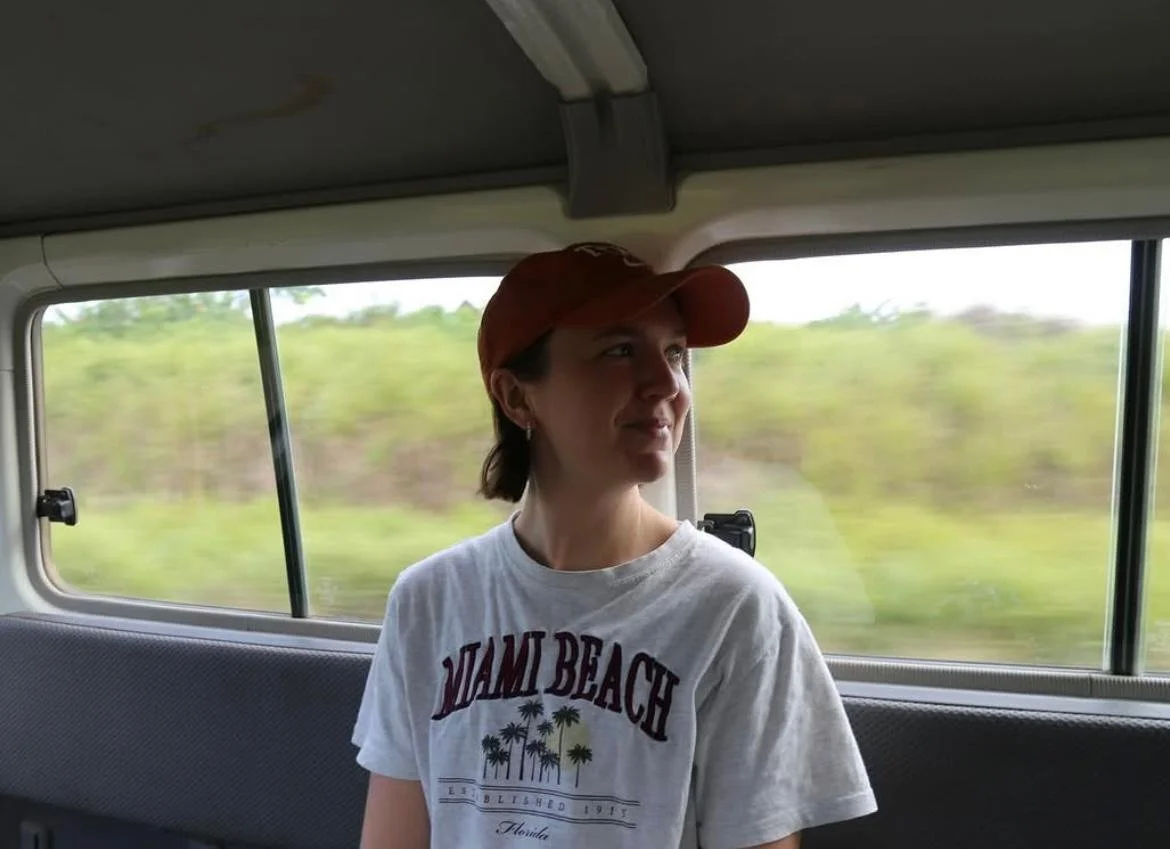
Emma has been making that journey since 2018. Usually she works in tech, operating impressively efficiently at startup speed, a bright blur of forward motion. She is one of the busiest people I know. Yet for the better part of a decade she has also been involved with Universal Outreach, a development organisation that has operated in Liberia for eighteen years.
“I’m starting to understand the upper limits of this, but my belief is you are only as busy as you decide that you are. You can implement a lot in your life to decide to not be in a rush. I realise I am happier when the things filling my time feel purposeful. Visiting every year is intense but pays dividends in value and meaning.”
“A big part of why I support UOF is this idea that we have no control over where we’re born. I am extraordinarily fortunate to have had a great education and countless opportunities. At some point any guilt surrounding this becomes useless, the more useful thing is trying to redistribute some of that luck.”
Universal Outreach originally arrived in Liberia to build a school, a year-long project that stretched to almost three. When it was finished, the organisers discovered that very few qualified teachers existed to staff it, and even fewer families could afford the fees.
“The common thread is that people want consistent income and have the skills to generate it. What’s lacking is the systems to support that.”
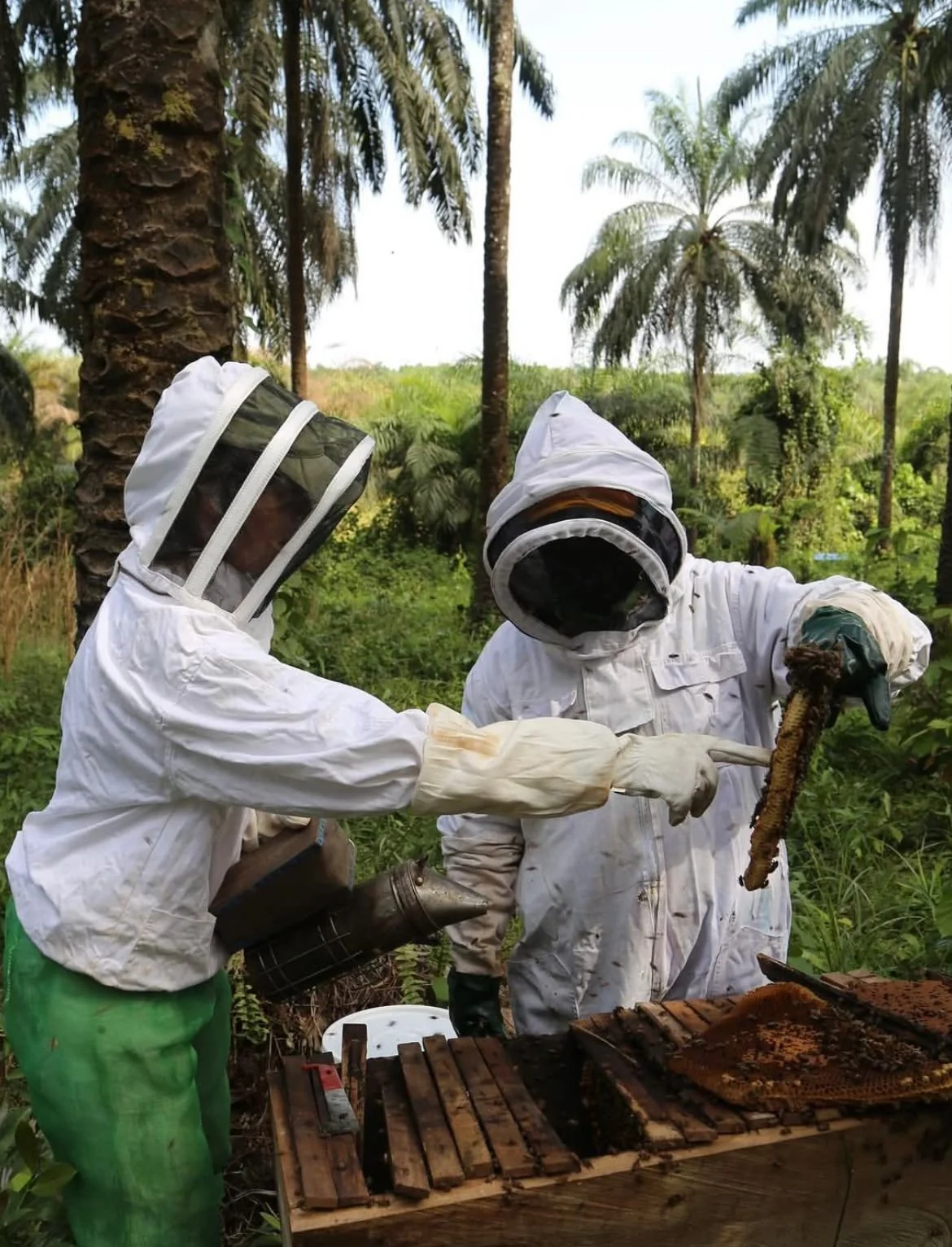
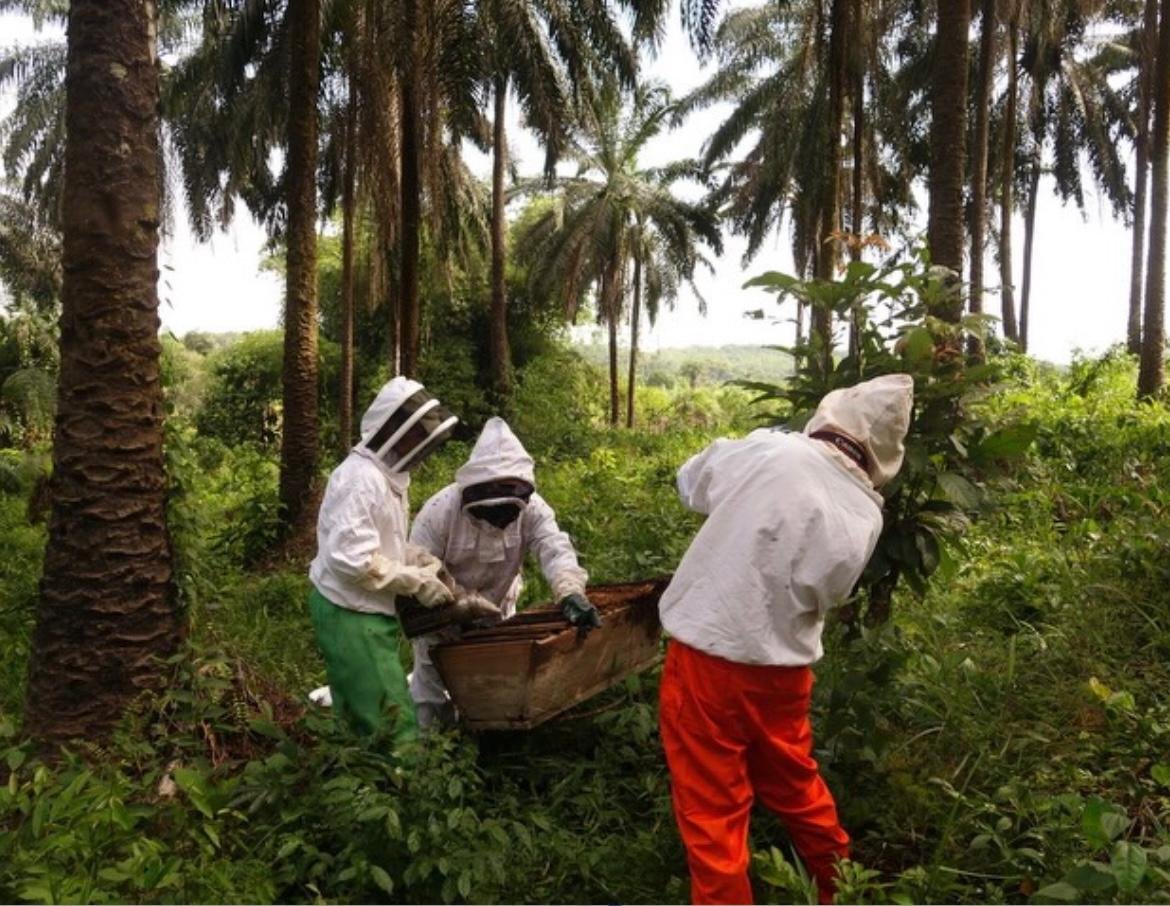
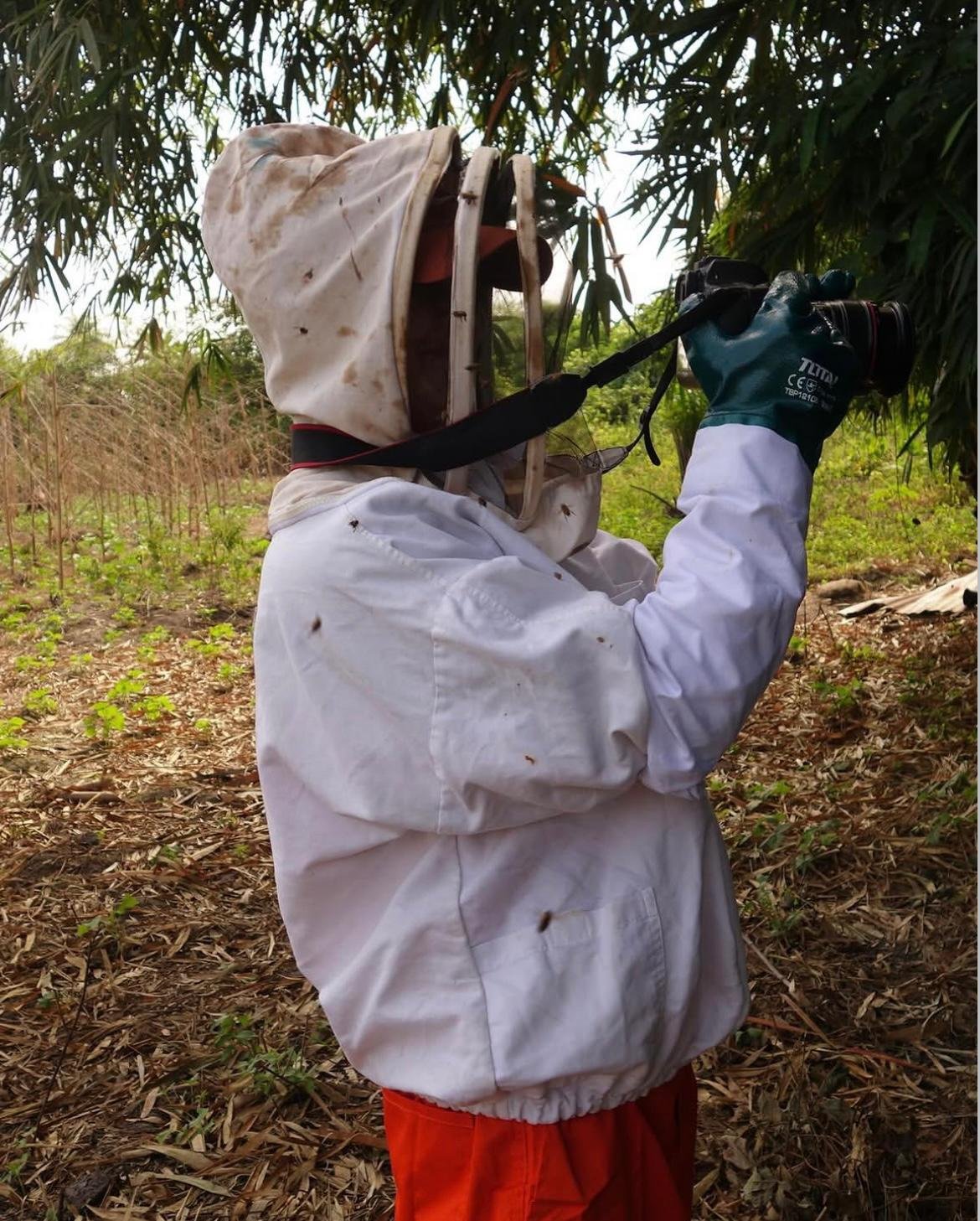
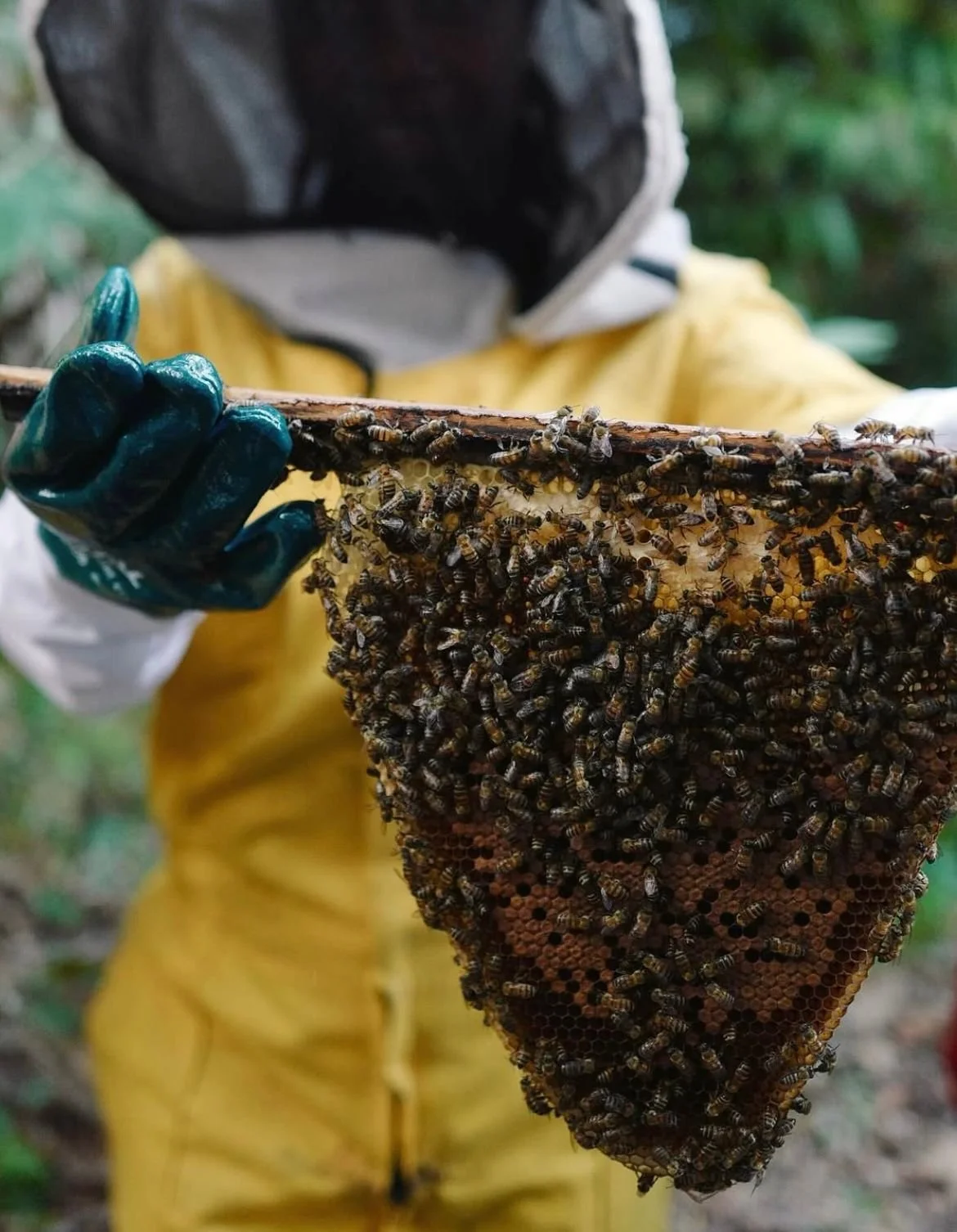
So instead of leaving, the founders stayed, their focus shifting from one-off interventions to building local markets. A beekeepers association, coconut oil production, coffee, surf tourism, all ways for money to be generated more consistently within the local economy.
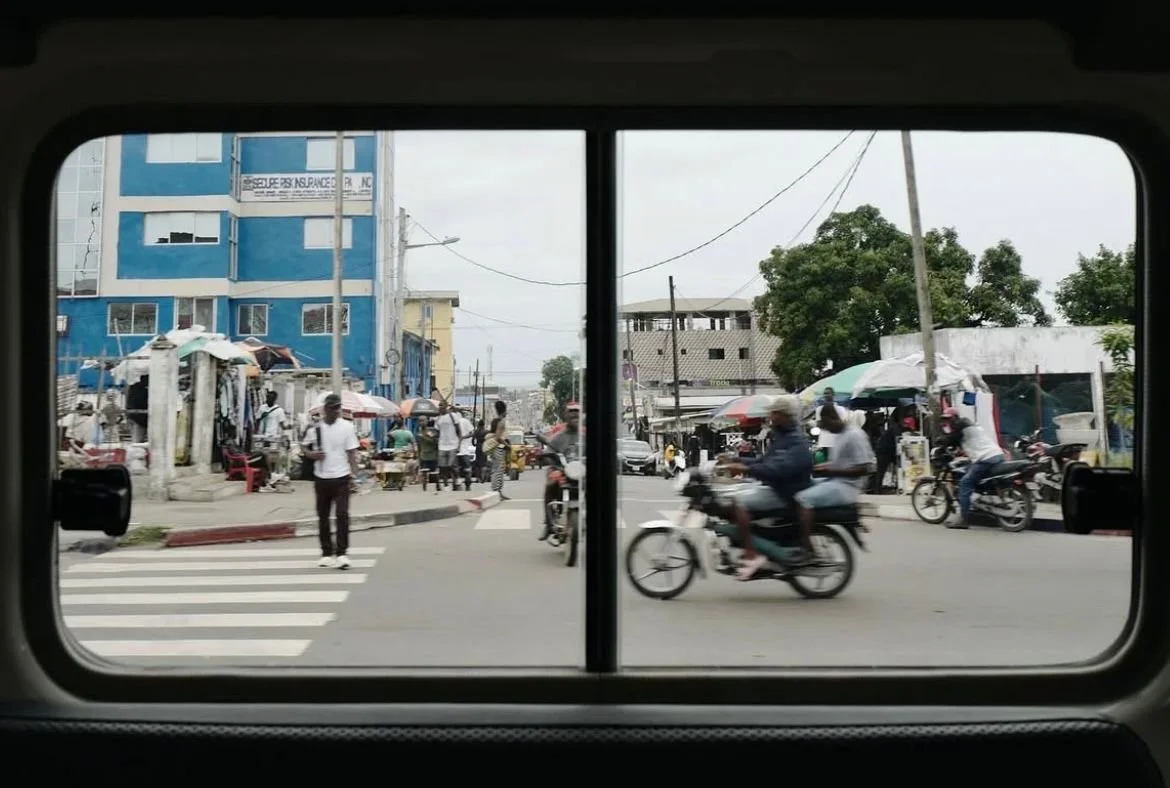
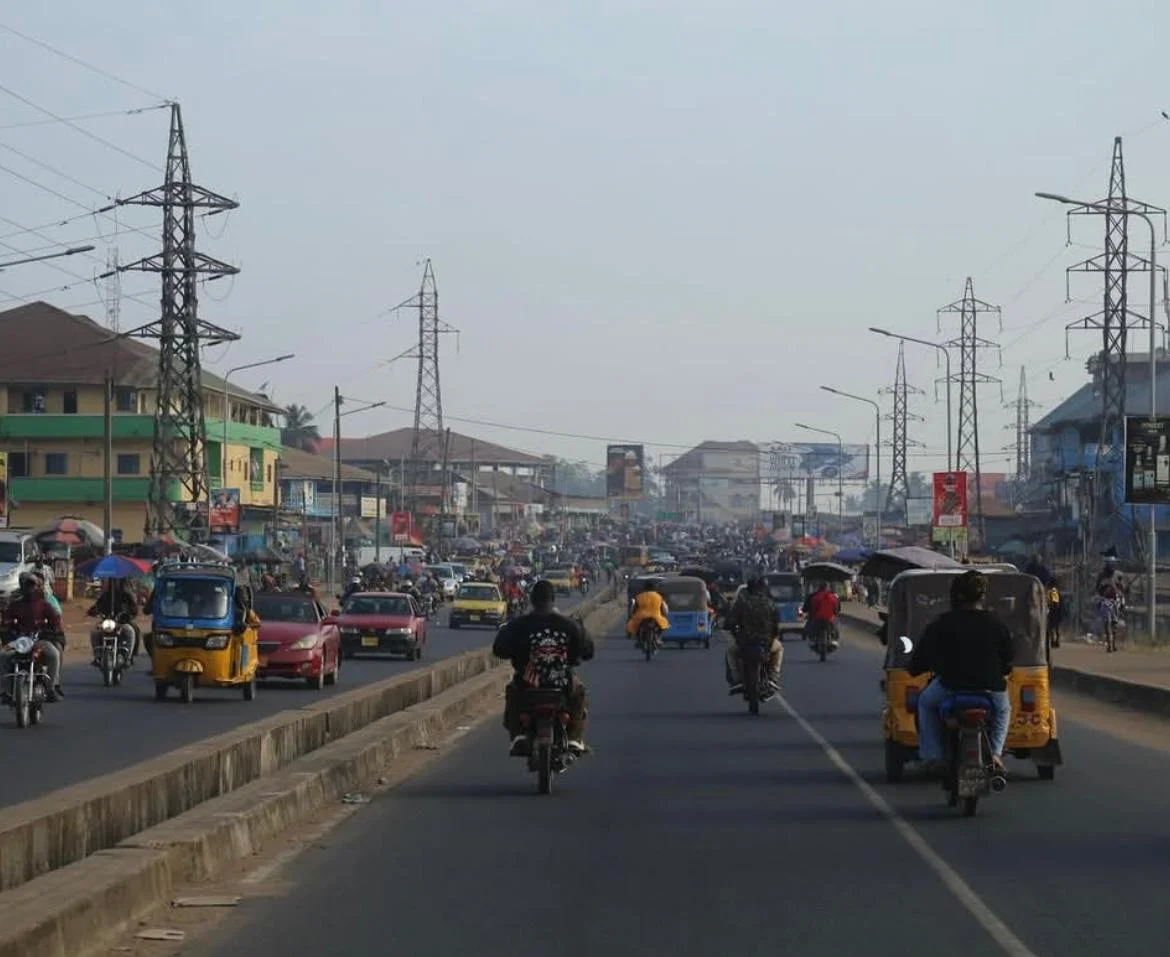
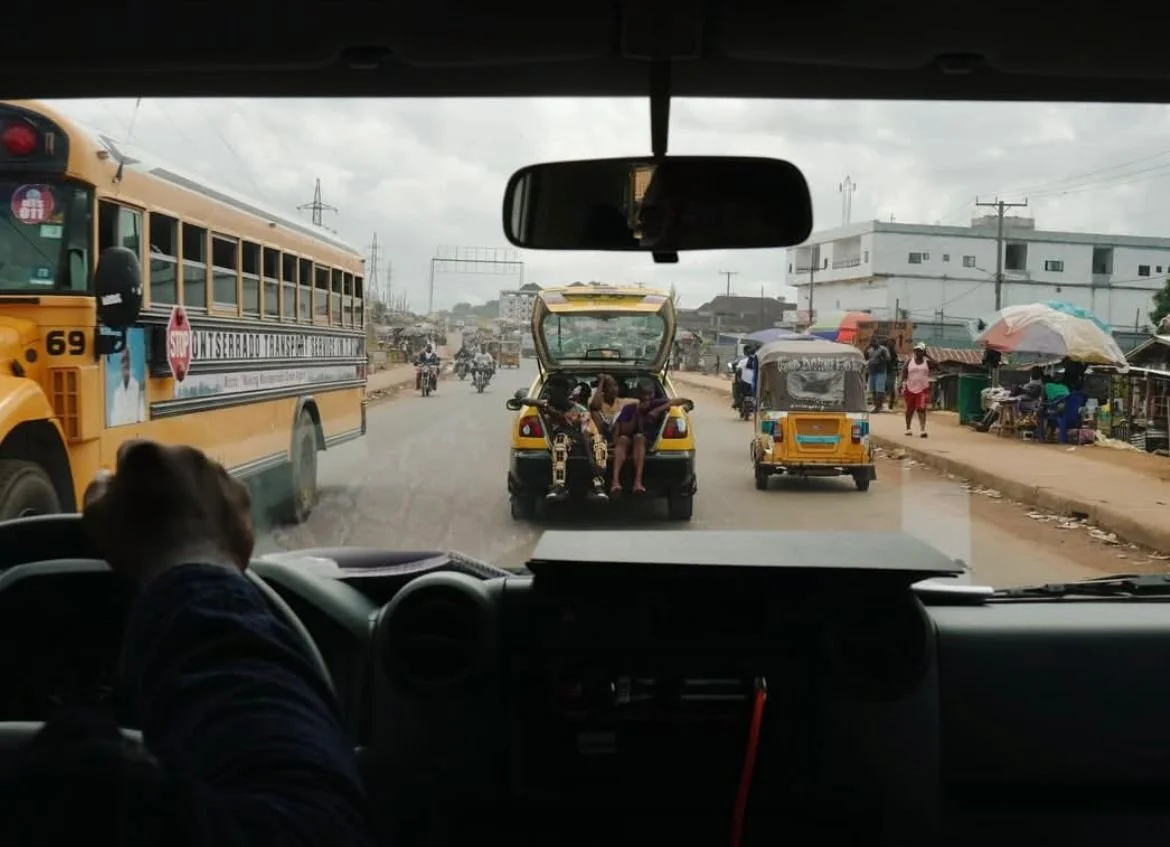
What that ‘local’ looks like wasn’t initially what Emma expected. “When I first arrived, I was expecting density. It was surprising to land in a place so incredibly green and lush. The climate is perpetually sweaty and uncomfortable, the food a brilliant fusion of West African spice with American influence. You’ll find a stew with a piece of fried chicken on top or a donut on the side. The beaches that you just know will be packed with resorts in maybe a generation’s time are, for now, largely empty. And the people I’ve met are so incredible and resourceful and dedicated to figuring things out.”
What’s harder to find is the connective tissue, the financial systems and infrastructure that allow for effort to compound.
That shows clearly in how money moves through the country. Liberia is a heavily cash-based economy. The Liberian dollar is volatile and prone to high inflation, which has led to widespread reliance on the US dollar as a more stable alternative. “We found out that discount dollar bills are actually bought from the USA and shipped in containers, and those are the dollars that circulate locally. But it’s very difficult to get money into the country through any other means. You can’t really use an ATM.”

Emma sees a significant fintech gap. Mobile money exists, but it can be predatory and not particularly secure or self-custodied. It also does not yet support more formal use cases, such as receiving salaries through the system. Western Union has a grip on remittances that is almost impossible to undercut because of its distribution infrastructure, even though the margins are extractive. “Can something get in there that doesn’t screw people?” Emma asks. “If somebody could genuinely undercut Western Union in a fair way, the opportunity would be enormous.”
Local problem-solving shows that appetite is everywhere. Starlink dishes strapped to buildings, a population that already migrated currency in search of stability.
“You could take almost any tech innovation from the last decade and, if you were willing to go through the hurdles of implementing it in-country, it would likely see huge adoption. You don’t get that kind of alignment between existing demand and unmet supply anywhere else. In Silicon Valley everything is so saturated. It’s just an amazing canvas for opportunity.”
That opportunity comes with history. There is a persistent risk in treating underbuilt systems as open territory for external solutions. Dambisa Moyo’s Dead Aid documents what happens when outside money pours into corrupt structures. Emma is clear on the distinction.
“Going down to the grassroots, giving people their own ways to make money, building economies from below is the version of this that actually works. But currently the incentive to go and build infrastructure is low, it’s challenging and the variables are many, and the dynamics of potential corruption are real.”
That is where the long game matters. Development inherently moves slowly and requires patience, and a lot of tech culture is optimised for the opposite. But the overlap is more practical than it sounds.
“The UOF team goes incredibly deep. Eighteen years is long enough to outlast several presidencies, to watch corruption cycles come and go, and to understand that the depth of a problem is what makes scale so difficult to rush. The tech instinct is to ask what is creating friction for the people already doing the work, and remove it.”
This year, that looked like using LLMs and AI tools to produce a year’s worth of comms in two weeks. “We already had years of photos, video, and field material, but no coherent system for turning it into consistent output without creating another dependency or ongoing cost. So we focused on building a full communications system from existing material, producing and scheduling enough content to last a year.”
It is slow to build financial systems, create stable local markets, train people, and establish operations that can be sustained over time. A lot of people want to help. Few want to stay.
For Emma, Liberia is currently a side quest in practical terms. “But in life, it’s a main quest.”
She plans to return for a longer stretch. By then, the country may look very different. The region is often framed as primarily in need of external support, but in practice it is a site of under-recognised exchange. Local businesses are looking for systems and capital that match the ambition already in place.