43.70°N, 6.63°E · Côte d’Azur, France
The 80-year archive: 100,000 slides of a disappearing Côte d’Azur
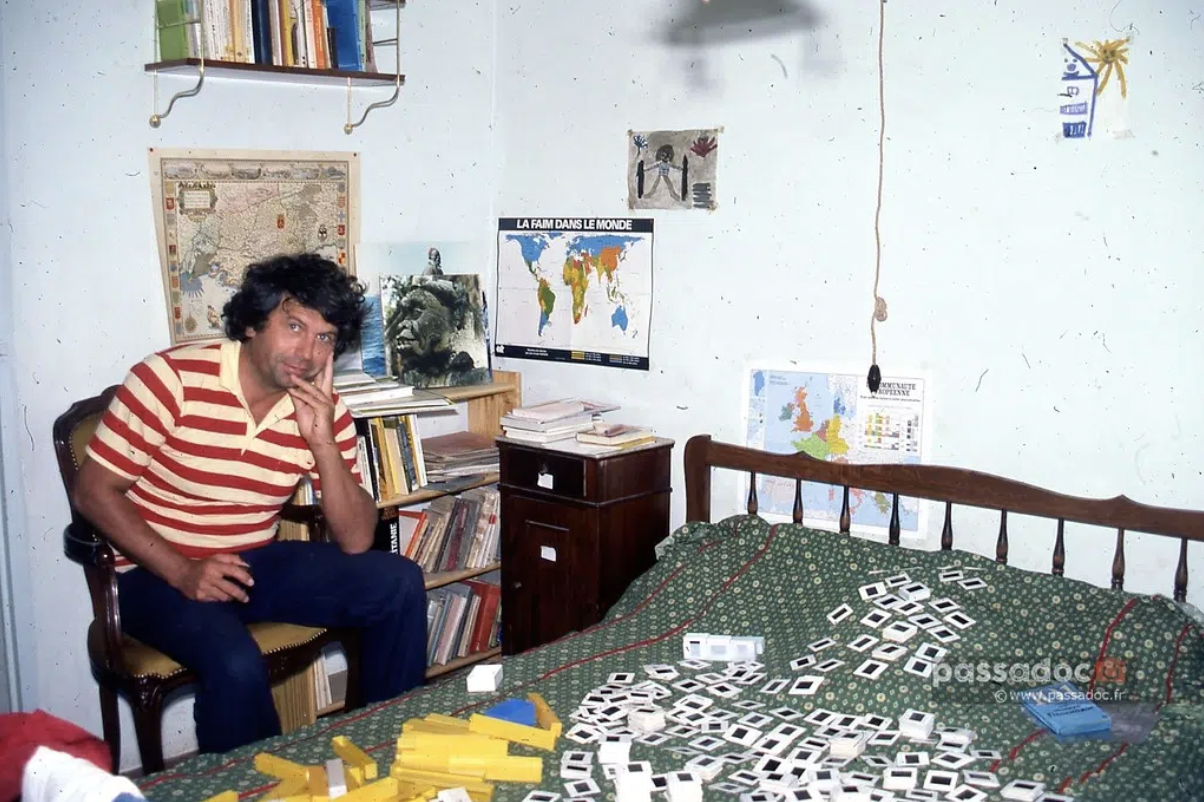
André Abbé was born on August 17, 1944, in Roquebrune-sur-Argens, on the same day the village was liberated. He has spent the eighty or so years since pointing a camera at the land around him. Farmers, olive harvests, sheep moving through mountain passes on ancient transhumance routes, the original Dior perfumeries at Grasse in their working prime. His archive runs to over 100,000 images, documented in French and in Occitan, the old language of Provence.
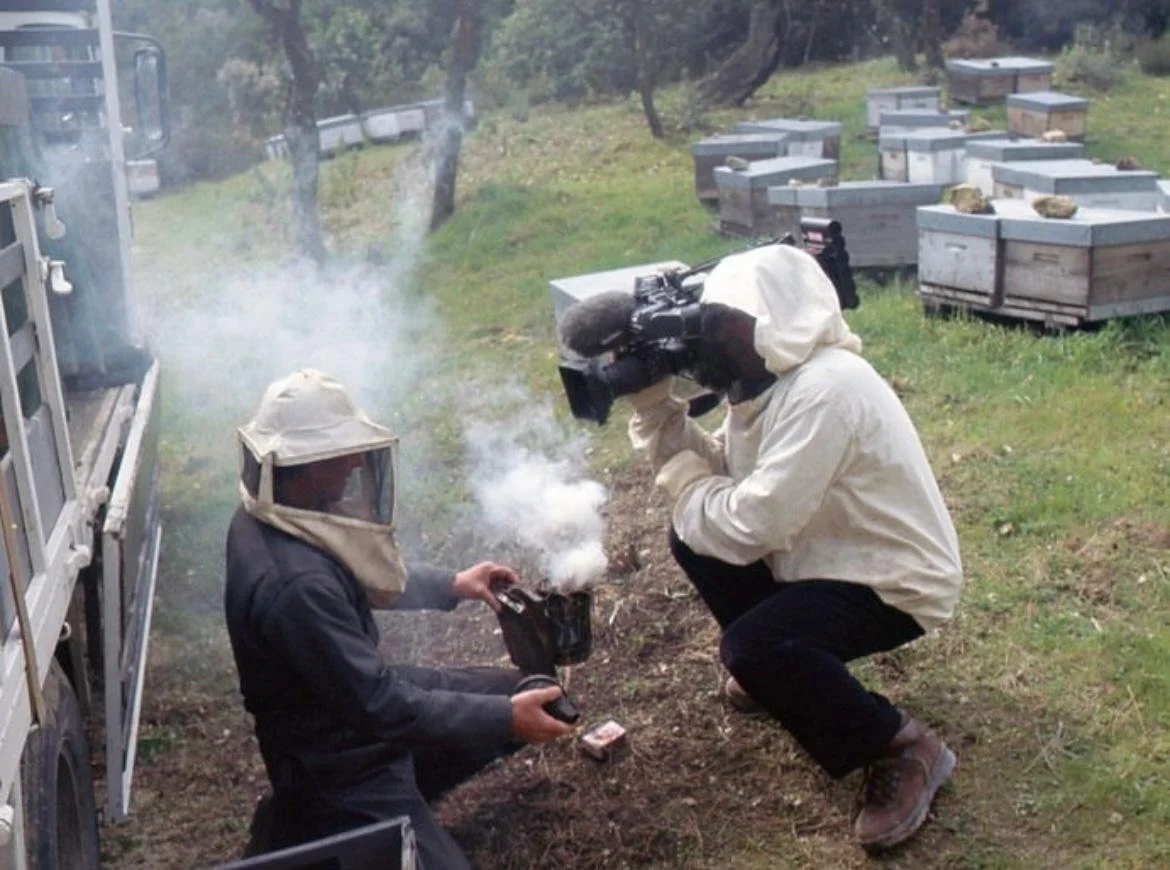
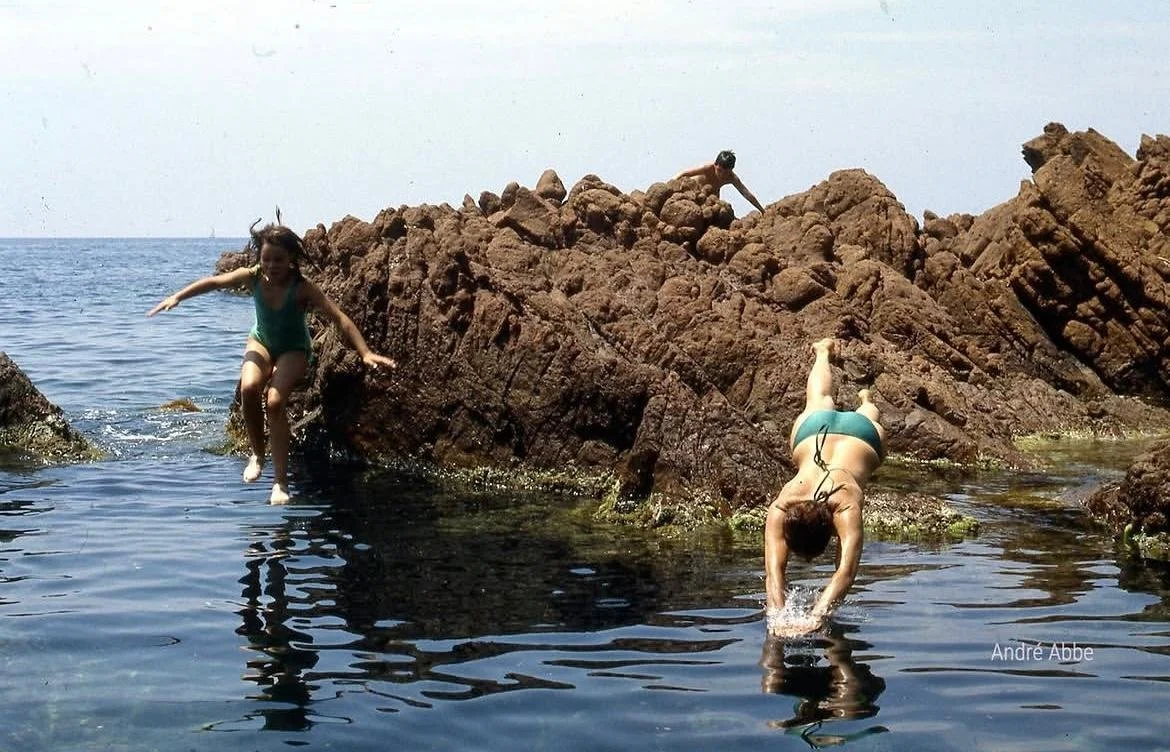
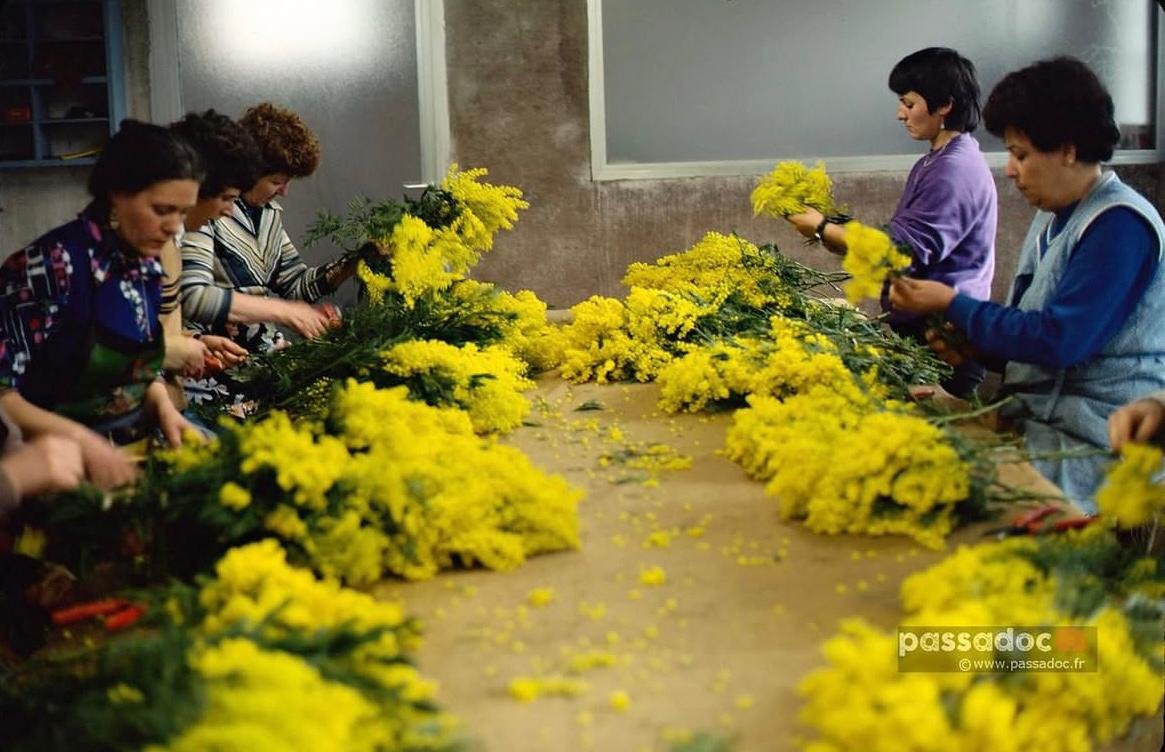
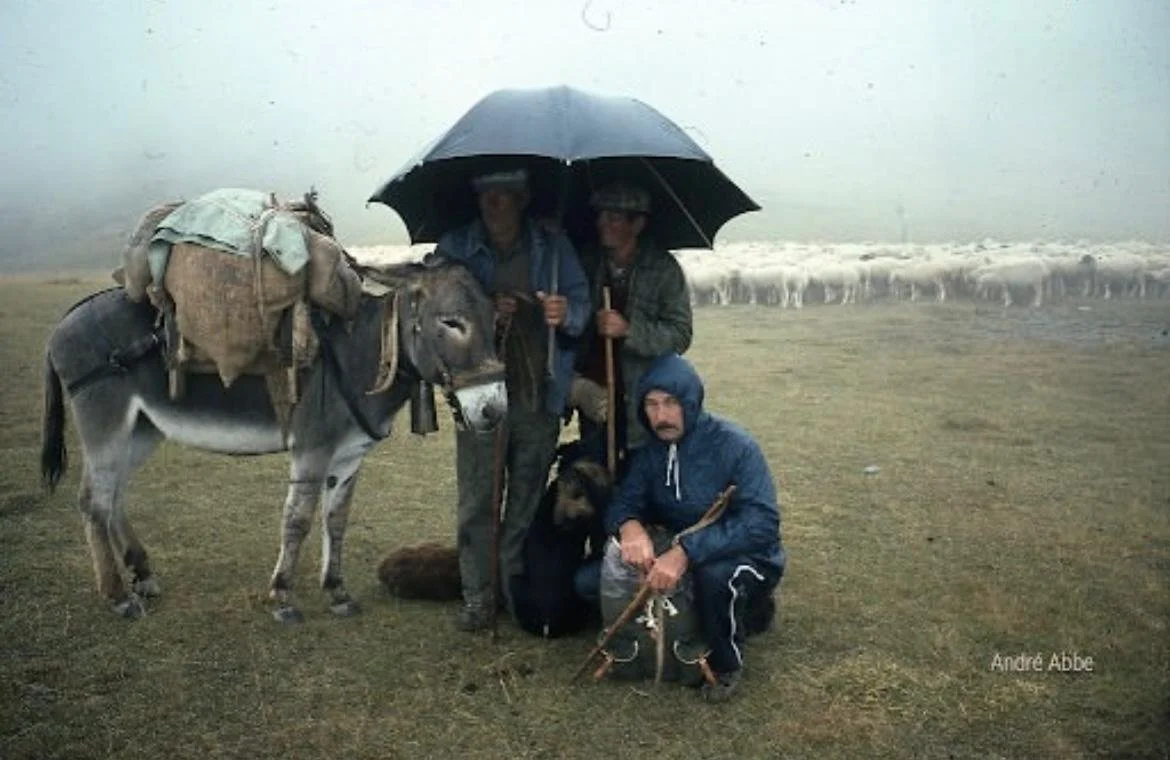
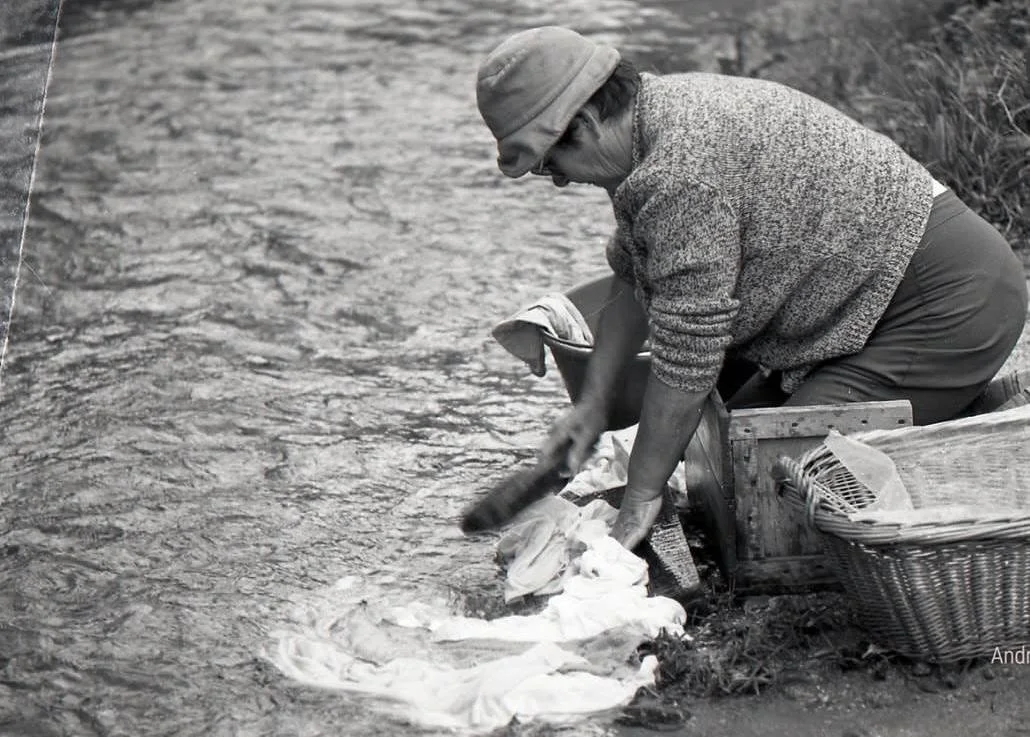
I spent four months working out of his gallery, about thirty minutes from Cannes. My job, loosely, was to figure out how to market it, and to capture the stories behind each image, the verbal history attached to a lifetime’s collection that would soon disappear if it wasn’t recorded. A segment on FranceTV, who brought their crew to film, proved the appetite was there. But attention and distribution are different things.
The region has absorbed a lot. The British aristocracy arrived in the 1800s, artists and writers followed, then cinema, then money, and more money. Harbour yachts now dwarf the fishing villages they dock in. And yet the region’s cultural gravity has persisted.
The question André’s archive asks is how does the Côte d’Azur keep being the Côte d’Azur? His images are not of the Riviera that got famous. They are of the markets, the olive harvests, the families and trades. Local economies that predate tourism by centuries and are largely still intact. The olive oil is still pressed a few kilometres from where the olives grew. The rosé is from vineyards you can see from the road, and the Saturday market still sells what the land produces. These do not read as gestures toward authenticity. Perhaps that is the answer, that the Côte d’Azur persists because it doesn’t treat itself as a spectacle.
That particularity has a cost, and the wealth that washes through in summer doesn’t change this. The yachts don’t sustain the olive press. The trades are quieter than they were, crafts that took generations to develop are now cheaper to import than to sustain, and the Occitan André documented is spoken by fewer people each decade. Non-optimisation has consequences that are not romantic. And yet lunch takes as long as it takes, and there is little urgency to change things for convenience.
In other places that kind of inertia can harden into performance: places become caricatures, enacting their own past for an audience. Here it remains unperformed. In André’s slides, little is framed as exceptional. Another season, another harvest, that is the whole point.